Ecolibra = Natural Equilibrium
INGREDIENT PROFILE
Beeswax
Beeswax (Cera Alba)
Category: Formula Essentials & Aromatics
Functions: Occlusive · Thickener
Used In Products: Barrier Balm
A naturally produced wax that helps protect dry skin against moisture loss while providing structure, firmness, and a smooth consistency to moisturizing balms.
ORIGIN
Honeybee
SOURCE
Wax Secreted by Worker Bees
TEXTURE
Firm, Waxy & Smooth
What Is Beeswax?
Beeswax is a naturally occurring wax produced by worker honeybees (Apis mellifera), which use it to construct the honeycomb structures within their hives.
Worker bees produce wax through specialized glands located on the underside of their abdomens. The wax is secreted as small flakes, which the bees collect and shape into the familiar hexagonal cells used to store honey, pollen, and support developing bees.
For cosmetic use, beeswax is collected from honeycomb, melted, filtered to remove impurities, and prepared into blocks, pastilles, or pellets for easier handling.
Unlike botanical oils and butters, beeswax is composed primarily of long-chain wax esters, hydrocarbons, and fatty acids rather than triglycerides.
Known for its firm consistency, water-repellent properties, and ability to form a protective film, beeswax is widely used in balms, salves, and other skincare formulations designed to maintain moisture and protect dry skin.
SKIN BENEFITS
Benefits For Skin
Protects & Conditions

Its film-forming properties help create a protective coating over the skin, supporting a soft, conditioned feel while reducing exposure to moisture loss.
When combined with plant butters and oils, beeswax helps create rich moisturizing formulations that remain in place and provide lasting conditioning.
Helps Retain Moisture
Beeswax acts as an occlusive, forming a protective, water-repellent layer over the skin’s surface that helps slow moisture evaporation.
This makes it particularly useful in formulations designed to maintain moisture and provide lasting comfort to dry, rough areas.
UNDERSTANDING THE INGREDIENT
The Science Behind It
What makes beeswax particularly effective is its combination of wax esters, long-chain hydrocarbons, and free fatty acids.
Wax Esters
Film Formation & Moisture Protection
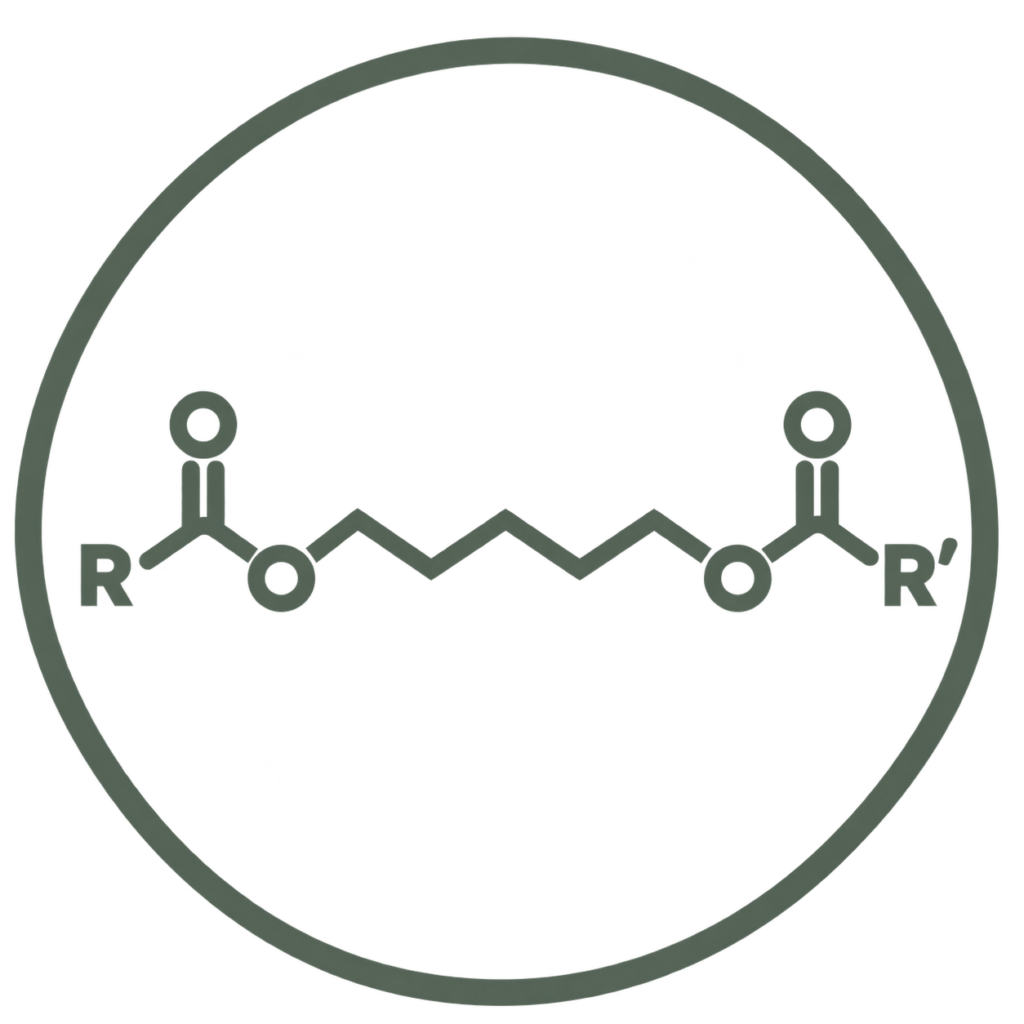
Wax esters are compounds formed when fatty acids chemically bond with fatty alcohols.
They make up a substantial portion of beeswax and contribute to its firm, flexible, water-repellent characteristics.
When incorporated into skincare formulations, these compounds help create a continuous film over the skin’s surface.
This film slows the evaporation of moisture, helping maintain the skin’s existing hydration.
Long-Chain Hydrocarbons
Water Resistance & Protection

Beeswax also contains naturally occurring hydrocarbons, which are molecules composed of carbon and hydrogen.
These compounds are hydrophobic, meaning they repel water rather than dissolve in it.
Their presence contributes to beeswax’s water-resistant properties and ability to form a protective coating.
Unlike humectants such as glycerin, which attract and retain water, beeswax primarily helps limit moisture loss from the skin’s surface.
Free Fatty Acids
Structure & Consistency

Beeswax contains smaller amounts of free fatty acids, including long-chain saturated fatty acids.
These compounds contribute to the wax’s physical properties, particularly its firmness, texture, and melting behavior.
Alongside wax esters and hydrocarbons, they help determine how beeswax interacts with botanical oils and butters within a formulation.
This makes beeswax especially useful as a thickening and structuring ingredient in moisturizing balms.
How They Work Together
Beeswax’s protective and structuring properties come from the complementary characteristics of its wax esters, hydrocarbons, and fatty acids.
Wax esters contribute film formation and flexibility, while hydrocarbons provide water-repellent characteristics that help slow moisture evaporation. Together with its other components, these compounds create a firm, structured wax that softens when heated and solidifies as it cools.
When incorporated into a moisturizing balm, beeswax helps bind the botanical oils and butters into a stable, semi-solid consistency. Once applied to the skin, the formulation leaves behind a conditioning lipid layer that helps reduce moisture loss.
Unlike botanical oils, beeswax contributes substantial firmness and structure. It also differs from humectants such as glycerin, which attract water rather than primarily preventing its evaporation.
In a protective balm, beeswax works alongside botanical butters and oils, helping create a balanced combination of skin conditioning, moisture retention, and product structure.
These complementary functions make beeswax a valuable ingredient in formulations designed for dry, rough skin.

OUR FORMULATION PHILOSOPHY
Why Ecolibra Uses It
We chose beeswax for its naturally occurring protective properties, ability to help reduce moisture loss, and important role in creating firm, effective moisturizing balms.
Its unique composition allows us to achieve structure and lasting moisture protection without relying on petroleum-based waxes, which are widely used throughout the skincare industry.
In our Barrier Balm, beeswax works alongside mango butter, coconut oil, sunflower oil, and other botanical oils to create a rich, protective formulation. It provides the firmness necessary to maintain the balm’s consistency while helping form a moisture-retaining layer over dry, rough areas.
Our approach is to combine ingredients with complementary properties, creating purposeful formulations that help nourish, soften, and support the skin’s natural moisture barrier.
Good to Know
Unlike most botanical ingredients used in Ecolibra’s formulations, beeswax is produced by honeybees rather than extracted from plants. Although naturally derived, it is an animal-derived ingredient and is therefore not considered vegan.
Beeswax is available in yellow and white varieties. Yellow beeswax generally retains more of its natural color and characteristic honey-like aroma, while white beeswax undergoes additional processing to reduce its color. Both provide similar protective and structuring functions.
Another distinguishing characteristic is its relatively high melting point, generally around 62–65°C (144–149°F). Unlike shea or mango butter, beeswax does not readily melt at skin temperature, allowing it to help maintain the structure of a balm during application.
Beeswax should not be confused with honey or propolis. Honey is a sugar-rich substance produced from nectar, while propolis is a resinous material collected and processed by bees. Beeswax is the structural wax used to build honeycombs.
Although beeswax is generally well tolerated, allergic contact reactions are possible, particularly in individuals sensitive to certain bee-related substances.
As with any skincare ingredient, individual skin tolerance varies. Those with particularly reactive skin should introduce new products gradually.
EXPLORE ECOLIBRA
Found in our Products
Discover how beeswax works alongside other purposeful ingredients in our formulations.

Barrier Balm
Protective care formulated to help reduce moisture loss and soften dry, rough areas.
Newsletter Updates
Subscribe for 10% off your first order and special offers.