Ecolibra = Natural Equilibrium
INGREDIENT PROFILE
Emulsifying Wax
Cetearyl Alcohol, Polysorbate 60
Category: Formula Essentials & Aromatics
Functions: Emulsifier · Thickener
Used In Products: Face Cream, Hand Lotion
A vegetable-derived emulsifying blend that helps combine water and botanical oils into smooth, stable creams and lotions while contributing to a rich, comfortable texture.
ORIGIN
Manufactured with Vegetable-Derived Components
SOURCE
Cetyl Stearyl Alcohol & Polysorbate 60
TEXTURE
White, Waxy & Pellet-Like
What Is Emulsifying Wax?
Emulsifying wax is a manufactured cosmetic ingredient designed to combine water and oils into a stable, uniform mixture known as an emulsion.
Unlike naturally occurring waxes such as beeswax, emulsifying wax is not extracted directly from a plant or produced as a single substance in nature. Instead, it is manufactured by combining natural ingredients with complementary properties.
Ecolibra uses an emulsifying wax containing coconut and palm oil-derived cetyl stearyl alcohol (cetearyl alcohol) and polysorbate 60.
Cetearyl alcohol is a vegetable-derived blend of fatty alcohols that provides structure and thickening properties, while polysorbate 60 is a manufactured emulsifier that helps oil and water remain dispersed together.
Known for its ability to create stable, creamy textures, emulsifying wax is widely used in facial moisturizers, body lotions, and other water-based skincare formulations.
SKIN BENEFITS
Benefits For Skin
Creates Smooth, Consistent Moisturizers

Emulsifying wax helps distribute botanical oils and water-based ingredients throughout a formulation, producing a smooth, uniform consistency.
This allows moisturizing creams and lotions to spread comfortably across the skin while delivering complementary hydrating and conditioning ingredients together.
Supports a Comfortable, Conditioned Feel

The fatty alcohol components of emulsifying wax contribute to a creamy texture and soft application.
By helping maintain the consistency of a formulation, emulsifying wax contributes to an even, comfortable moisturizing experience without requiring a heavy, entirely oil-based product.
UNDERSTANDING THE INGREDIENT
The Science Behind It
Emulsifying wax works through the complementary properties of cetearyl alcohol and polysorbate 60, which help create and stabilize mixtures of oil and water. Under normal conditions, oil and water do not readily remain mixed because their molecules have different chemical characteristics. Emulsifying ingredients help overcome this problem.
Cetearyl Alcohol
Structure & Emulsion Stability

Cetearyl alcohol, also known as cetyl stearyl alcohol, is a mixture of two long-chain fatty alcohols: cetyl alcohol and stearyl alcohol.
These fatty alcohols have waxy, solid characteristics and are commonly produced from fatty materials, including vegetable-derived sources.
Unlike ethanol, the type of alcohol associated with alcoholic beverages and some fast-evaporating skincare ingredients, cetearyl alcohol is a fatty substance with emollient and thickening properties.
In an emulsion, cetearyl alcohol helps increase viscosity, improve consistency, and support the physical structure of the cream.
Its fatty structure also contributes to a smooth, conditioned feel when the finished product is applied to the skin.
Polysorbate 60
Oil & Water Compatibility
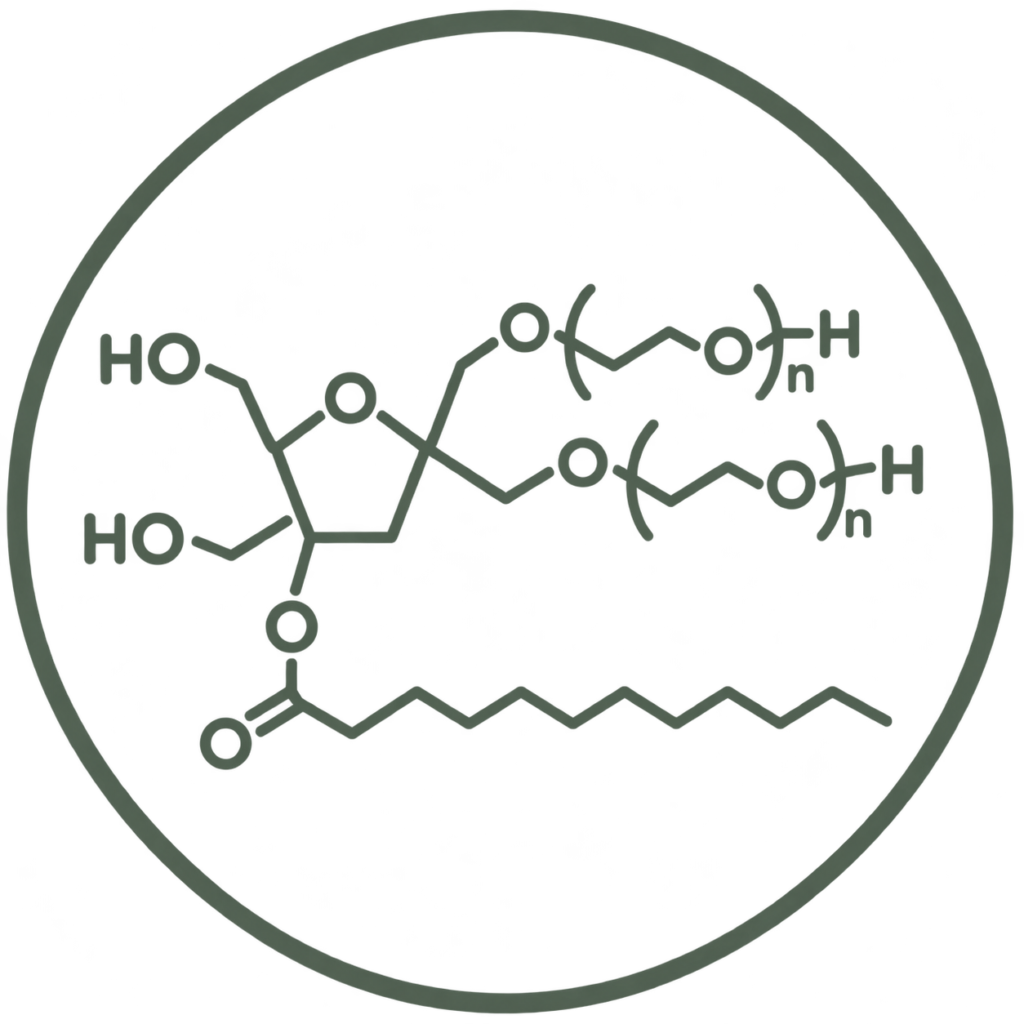
Polysorbate 60 is a manufactured, nonionic surfactant commonly used as an emulsifier.
It is produced from sorbitol-derived compounds, fatty acids, and ethylene oxide through a chemical process known as ethoxylation.
Its molecular structure is amphiphilic, meaning it contains both water-attracting and oil-attracting portions.
The oil-attracting portions interact with oils and other lipids, while the water-attracting portions remain associated with the surrounding water.
This allows polysorbate 60 to reduce the tension between oil and water, making it easier to disperse oils into small droplets throughout a water-based formulation.
How They Work Together
Emulsifying wax’s effectiveness comes from the complementary functions of cetearyl alcohol and polysorbate 60.
Polysorbate 60 helps disperse oil droplets throughout the water phase, while cetearyl alcohol contributes structure, thickness, and stability. Together, these ingredients can form organized structures within a cream that help limit the movement and merging of oil droplets, reducing the likelihood of separation. This allows water-based ingredients and botanical oils to remain distributed throughout the formulation while maintaining a smooth, creamy consistency.
Unlike humectants such as glycerin, emulsifying wax does not primarily attract water into the skin. It also differs from protective ingredients such as beeswax, whose primary role is forming a moisture-retaining film. Instead, emulsifying wax serves as a formulation essential for water-based moisturizers, allowing ingredients with different properties such as hydrators and oils to work together in a stable product.
These complementary functions make emulsifying wax an important ingredient in balanced creams and lotions.
OUR FORMULATION PHILOSOPHY
Why Ecolibra Uses It
We chose emulsifying wax for its ability to create smooth, stable moisturizers that combine water-based hydration with the nourishing properties of botanical oils and butters.
We specifically source coconut and palm oil-derived emulsifying wax containing cetearyl alcohol and polysorbate 60.
In our Face Cream and Hand Lotion, emulsifying wax helps combine water, emollients, humectants, and other ingredients, contributing to the product’s structure and spreadability.
Our approach is to select ingredients with complementary functions, allowing us to create balanced formulations that provide hydration, skin conditioning, and moisture retention while maintaining a comfortable texture.
Good to Know
Although our supplier describes this emulsifying wax as coconut and palm oil-derived, the finished ingredient is manufactured rather than extracted directly from a plant. Its cetearyl alcohol and polysorbate 60 components undergo processing to achieve their cosmetic functions.
Another important distinction is that cetearyl alcohol is not the same as ethanol or rubbing alcohol. Despite sharing the word alcohol, it has very different chemical properties and is commonly used to soften, thicken, and stabilize cosmetic formulations.
Emulsifying wax should also not be confused with beeswax. Although both have waxy appearances and can contribute structure, beeswax alone cannot perform the same complete emulsifying function in conventional water-based creams.
The balance of emulsifying wax and other ingredients influences the finished product’s consistency. Different concentrations can create anything from a relatively fluid lotion to a thicker, richer cream.
Although emulsifying wax helps improve physical stability, it is not a preservative. Water-containing creams still require appropriate preservation to protect against microbial contamination.
As with any skincare ingredient, individual skin tolerance varies. Those with particularly reactive skin should introduce new products gradually.
EXPLORE ECOLIBRA
Found in our Products
Discover how emulsifying wax works alongside other purposeful ingredients in our formulations.
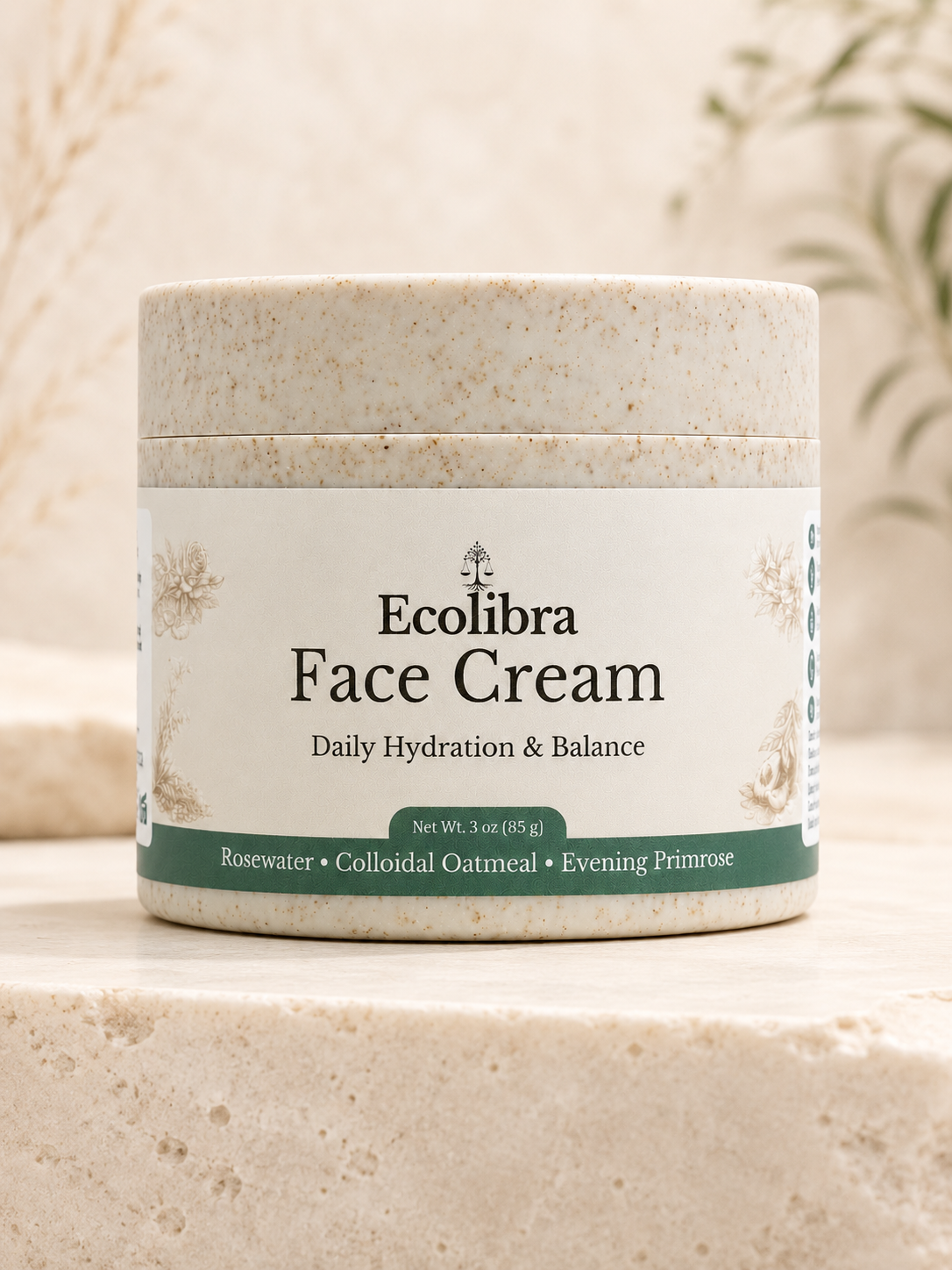
Face Cream
Lightweight daily moisturizing care designed to hydrate, soften, and condition facial skin.

Hand Lotion
Lightweight daily moisturizing care designed to hydrate, soften, and condition hands.
Newsletter Updates
Subscribe for 10% off your first order and special offers.