Ecolibra = Natural Equilibrium

INGREDIENT PROFILE
Aloe Vera Juice
Aloe Barbadensis Leaf Juice
Category: Hydrators & Soothers
Functions: Skin Conditioner · Solvent · Soother
Used In Products: Face Cream
A naturally derived botanical juice containing water and plant polysaccharides that helps refresh, condition, and maintain skin comfort while complementing hydrating skincare formulations.
ORIGIN
Aloe Vera Plant
SOURCE
Aloe Vera Leaves
TEXTURE
Clear, Fluid & Lightweight
What Is Aloe Vera Juice?
Aloe vera juice is a water-based botanical ingredient obtained from the thick, fleshy leaves of the aloe vera plant (Aloe vera), a succulent native to the Arabian Peninsula and now cultivated in warm, dry regions throughout the world.
The plant is known for its long, green leaves containing a clear, gel-like interior naturally rich in water and plant-derived compounds.
To produce aloe vera juice, the leaves are processed to collect their liquid contents. Depending on the manufacturing method, the juice may be prepared from the inner leaf or from purified whole-leaf material. The resulting liquid can then be filtered and stabilized for cosmetic use.
Unlike botanical oils and butters, aloe vera juice contains very little fat. Instead, it is composed primarily of water, along with smaller amounts of naturally occurring polysaccharides and other plant constituents.
Known for its refreshing, skin-conditioning properties, aloe vera juice is valued in skincare for complementing hydration and helping maintain a comfortable feel, particularly in formulations designed for dry or sensitive-feeling skin.
SKIN BENEFITS
Benefits For Skin
Refreshes & Conditions

Aloe vera juice helps condition the skin while providing a lightweight, refreshing feel. Its water-based consistency makes it particularly suitable for creams and other moisturizing formulations designed to leave skin feeling soft and comfortable without unnecessary heaviness.
Supports Hydration & Skin Comfort

Aloe vera contains naturally occurring polysaccharides that can interact with water and contribute to its moisturizing properties.
Research involving aloe-derived ingredients suggests potential benefits for skin hydration and controlling inflammation, although results depend on the type, concentration, and processing of the aloe used.
UNDERSTANDING THE INGREDIENT
The Science Behind It
What makes aloe vera juice particularly interesting is its combination of water and plant-derived polysaccharides, which are large molecules composed of chains of smaller sugar units.
Glucomannan
Moisture Retention & Skin Conditioning
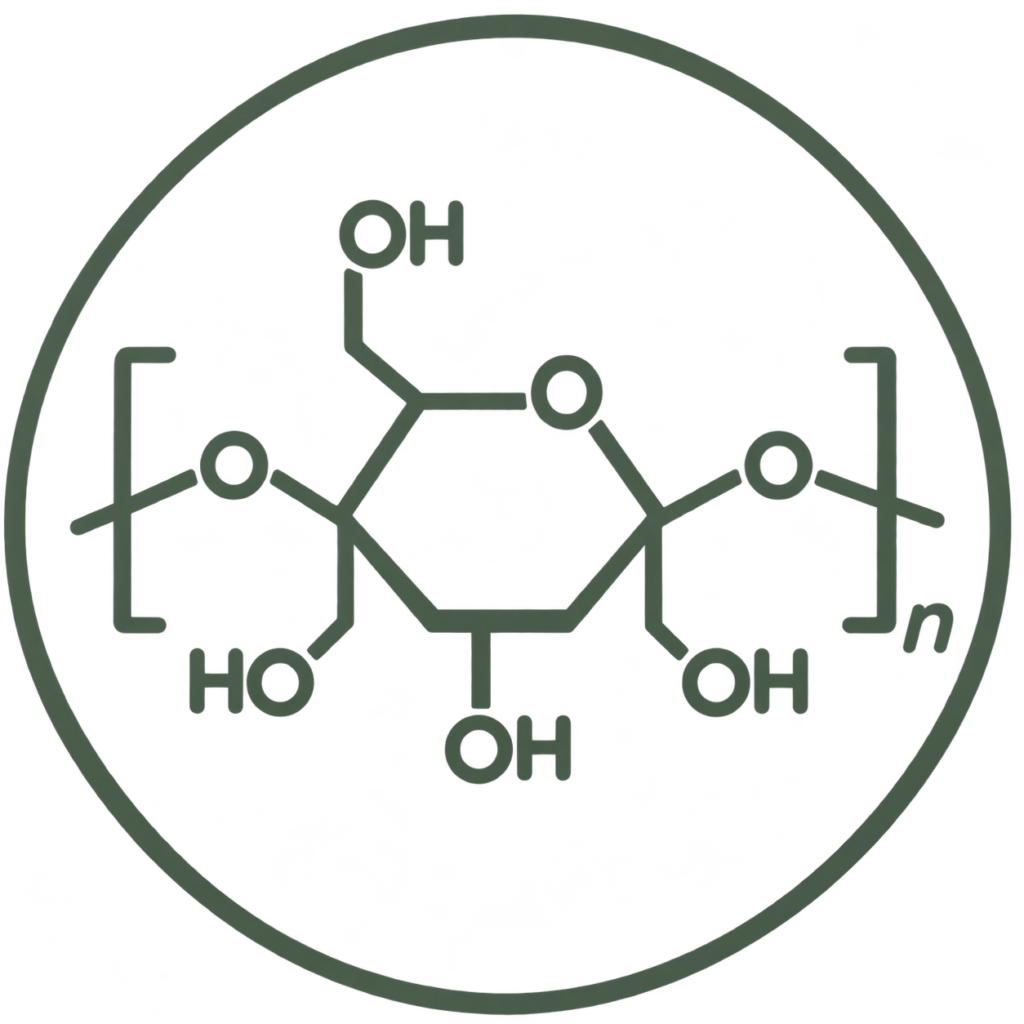
Glucomannan is a type of polysaccharide, which is composed primarily of mannose and glucose.
This water-associated compound contribute to aloe’s characteristic gel-like consistency and can help support moisture retention.
Their concentrations and properties vary depending on how the aloe is extracted, diluted, and processed.
Acemannan
Botanical Polysaccharide & Skin Comfort
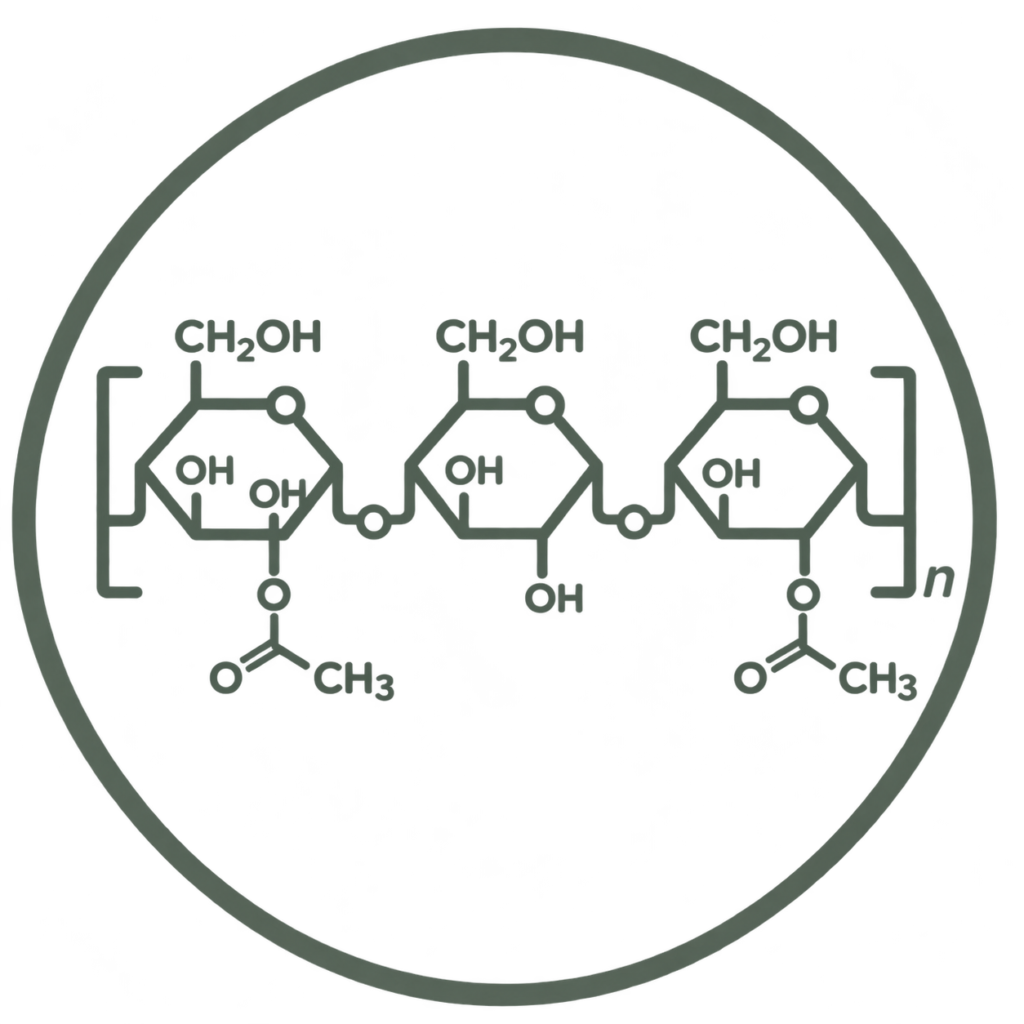
Acemannan is another type of polysaccharide that contributes to the distinctive composition of aloe-derived ingredients.
Laboratory research has investigated acemannan for its interactions with cells and biological processes associated with tissue repair and inflammatory signaling.
How They Work Together
Aloe vera juice’s skin-conditioning properties come from its water-based composition, complemented by naturally occurring polysaccharides and other plant-derived compounds.
The water provides a lightweight, refreshing foundation, while polysaccharides such as glucomannans and acemannan contribute to aloe’s distinctive properties and have attracted scientific interest for their potential moisturizing and skin-related effects.
Research has shown that certain aloe-containing formulations can improve skin hydration. Laboratory findings also suggest that some aloe-derived compounds may influence biological processes associated with skin comfort such as reducing skin inflammation.
Unlike humectants such as glycerin, aloe vera juice is not primarily used as a concentrated water-binding ingredient. It also differs from botanical oils and butters, which help soften the skin and reduce moisture loss through their lipid-rich composition. Instead, aloe vera juice complements these ingredients within a balanced moisturizing formulation.
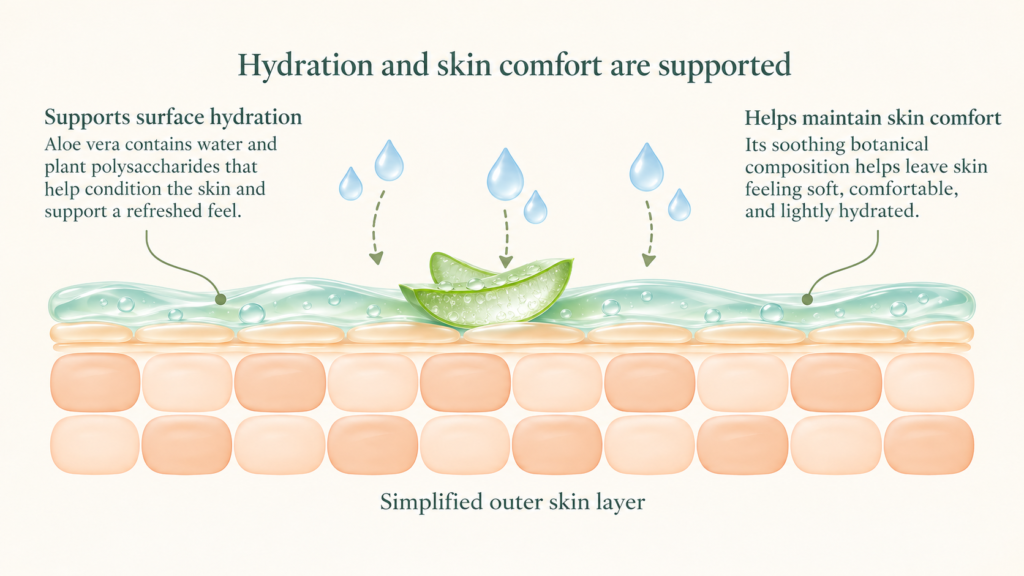
In a cream, aloe vera works alongside water-binding humectants that help maintain hydration, while botanical oils and butters provide emollient properties and help reduce moisture evaporation. Together, these complementary functions allow a formulation to provide hydration, skin conditioning, and moisture retention while incorporating the distinctive botanical characteristics of aloe vera.
OUR FORMULATION PHILOSOPHY
Why Ecolibra Uses It
We chose aloe vera juice for its lightweight, skin-conditioning properties, naturally occurring polysaccharides, and ability to support hydration, promote skin comfort, and potentially help soothe inflammation.
In our Face Cream, aloe vera juice works alongside rosewater, glycerin, panthenol, and carefully selected botanical oils. Together, these ingredients provide complementary hydration and skin-conditioning benefits, helping create a balanced formula designed to leave facial skin feeling comfortably moisturized while potentially reducing the appearance of redness.
Our approach is to combine ingredients with complementary properties, creating balanced formulations that help hydrate, nourish, and support the skin’s natural moisture barrier.
Good to Know
Aloe vera juice and aloe vera gel originate from the same plant, but they can differ in consistency and processing.
The fresh inner portion of an aloe leaf naturally has a gel-like texture, while commercially prepared aloe juice is typically a more fluid liquid. Some finished aloe gels also contain added thickening agents to achieve their familiar consistency.
Another important distinction is between the clear inner leaf material and the yellowish aloe latex found near the leaf’s outer layers. Aloe latex contains compounds called anthraquinones, including aloin, which are different from the polysaccharides associated with the inner gel. Proper cosmetic processing and quality control are important for minimizing these unwanted compounds.
Although aloe vera is commonly associated with soothing irritated skin, much of the research involves concentrated extracts, isolated compounds, or specific topical preparations rather than conventional aloe juice alone.
The composition of aloe juice can vary substantially depending on its processing, preservation, and concentration, so the benefits of one aloe ingredient should not automatically be attributed to another.
Because aloe vera juice is water-based, proper preservation is also essential to maintain the safety and stability of finished skincare formulations.
As with any skincare ingredient, individual skin tolerance varies. Those with particularly reactive skin should introduce new products gradually.
EXPLORE ECOLIBRA
Found in our Products
Discover how aloe vera juice works alongside other purposeful ingredients in our formulations.
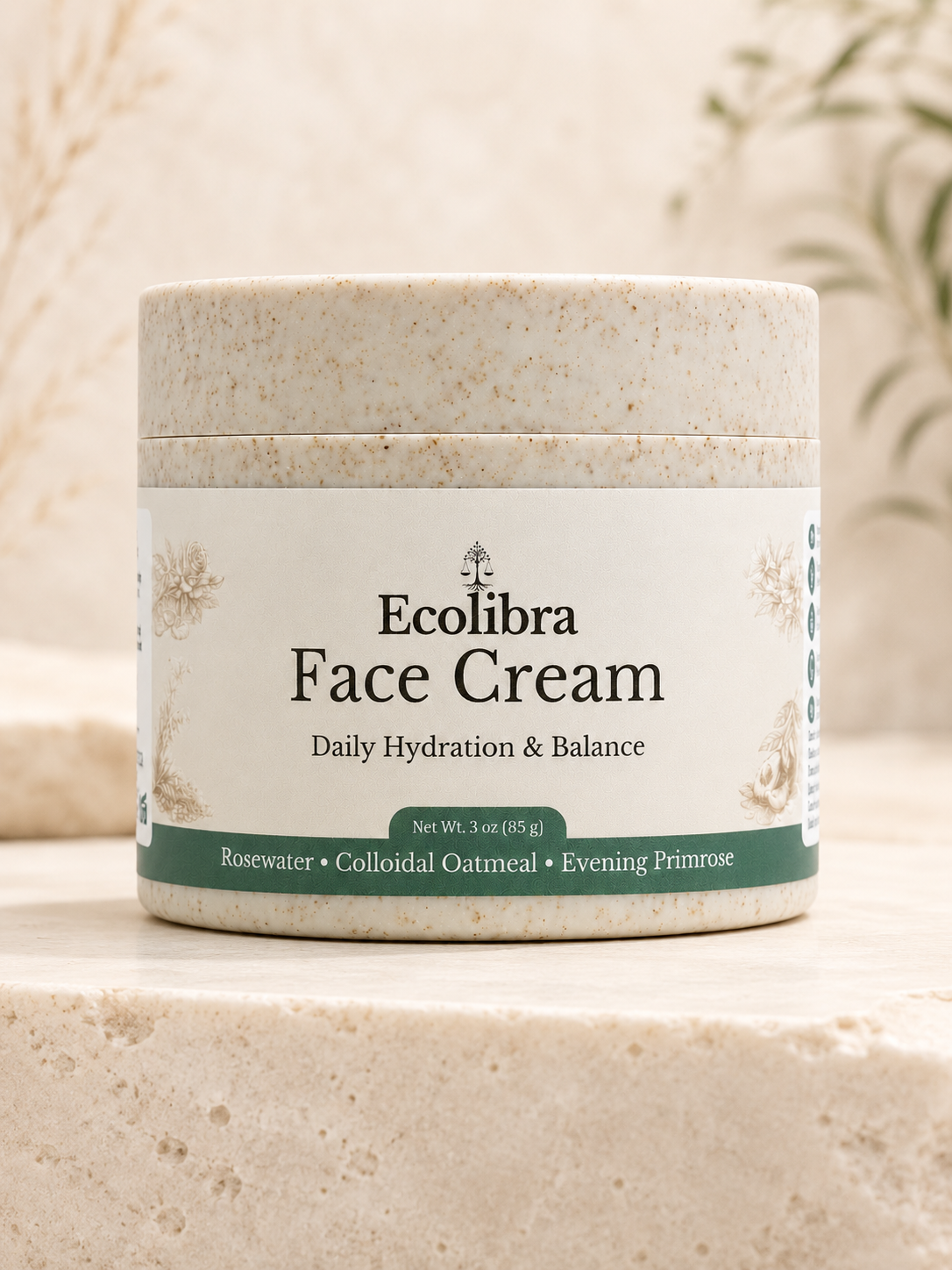
Face Cream
Lightweight daily moisturizing care designed to hydrate, soften, and condition facial skin.
Newsletter Updates
Subscribe for 10% off your first order and special offers.