Ecolibra = Natural Equilibrium
INGREDIENT PROFILE
Panthenol
Panthenol (Provitamin B5)
Category: Hydrators & Soothers
Functions: Humectant · Soother
Used In Products: Face Cream, Face Cleanser, Body Cleanser, Hand Lotion
A moisture-binding ingredient related to vitamin B5 that helps hydrate, soften, and maintain skin comfort while supporting the skin’s natural moisture barrier.
ORIGIN
Manufactured
SOURCE
Purified DL-Panthenol
TEXTURE
Fine, White & Crystalline
What Is Panthenol?
Panthenol, commonly known as provitamin B5, is a water-soluble compound closely related to pantothenic acid, also known as vitamin B5.
Vitamin B5 occurs naturally throughout the plant and animal kingdoms, including in foods such as mushrooms, avocados, sunflower seeds, and whole grains. It is an essential nutrient involved in normal cellular functions, particularly energy metabolism and the production of fatty acids.
Panthenol itself is a related compound typically manufactured through chemical synthesis for cosmetic use rather than extracted directly from natural sources.
Ecolibra uses DL-Panthenol, which contains two molecular forms known as D-panthenol and L-panthenol. Although both forms provide moisturizing properties, only D-panthenol can be converted into biologically active vitamin B5.
Known for its water-binding abilities and skin-conditioning properties, panthenol is widely used in skincare to help maintain hydration, softness, and comfort.
SKIN BENEFITS
Benefits For Skin
Attracts & Retains Moisture

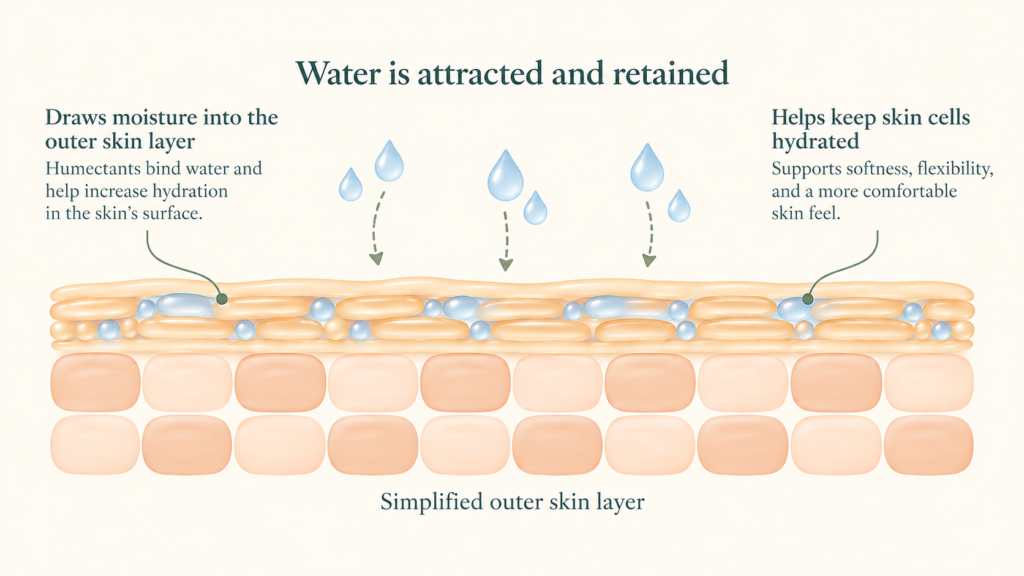
Panthenol acts as a humectant, helping attract and retain water within the skin’s outermost layer. This improves hydration and helps maintain a soft, smooth, and flexible skin surface.
Supports Skin Comfort & Barrier Function

Research involving panthenol-containing formulations has demonstrated improvements in skin hydration and reductions in moisture loss.
These properties make panthenol useful in moisturizing formulations designed to maintain skin comfort and support the natural protective barrier, particularly for dry or sensitive-feeling skin.
UNDERSTANDING THE INGREDIENT
The Science Behind It
Panthenol’s moisturizing properties come primarily from its water-binding molecular structure and its relationship to vitamin B5, an essential vitamin involved in normal cellular metabolism.
Hydroxyl Groups
Water Attraction & Retention
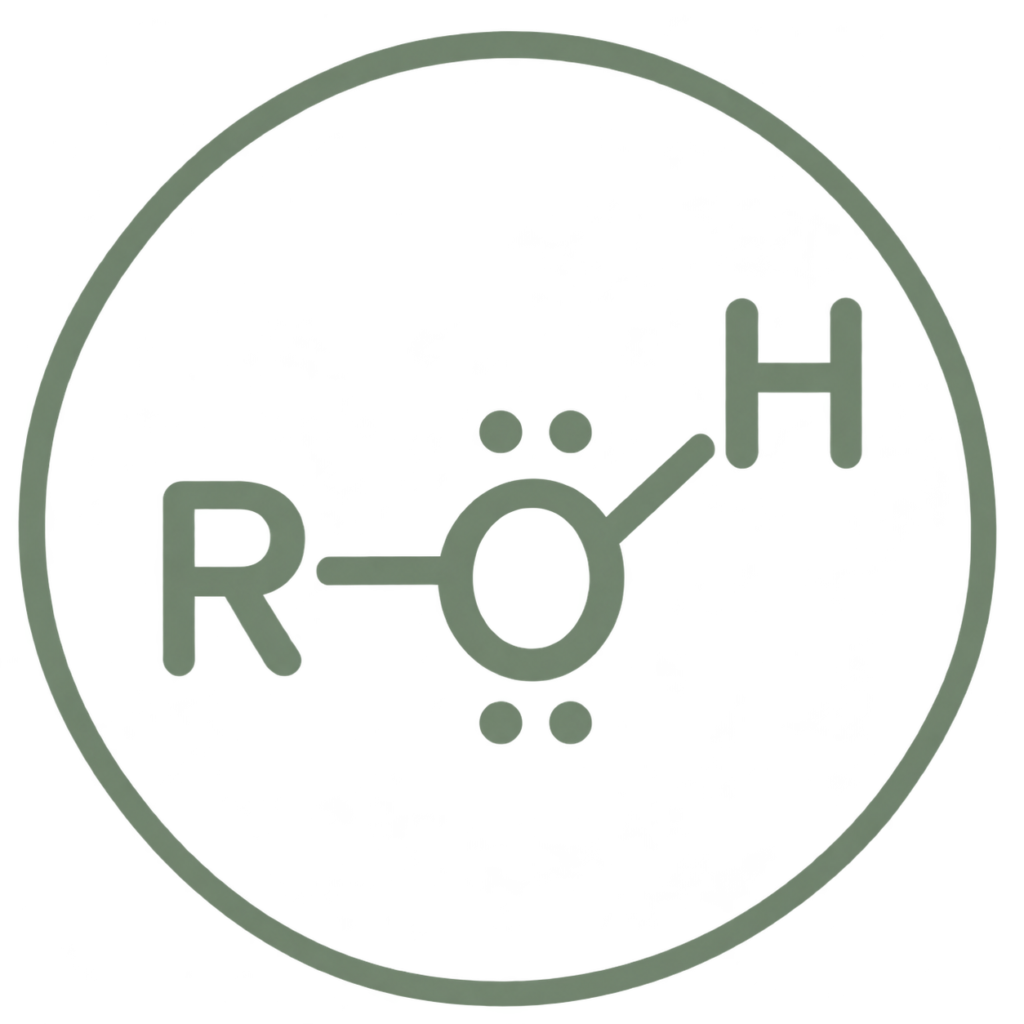
Panthenol contains three hydroxyl groups, which are chemical structures capable of forming hydrogen bonds with water molecules.
Both D-panthenol and L-panthenol contain these same hydroxyl groups, giving them similar moisture-binding properties despite differences in their three-dimensional molecular structures.
These interactions allow both forms to attract and retain water, helping maintain hydration within the skin’s outermost layer. This contributes to improved softness, flexibility, and a more comfortable skin feel.
D-Panthenol
Barrier Function
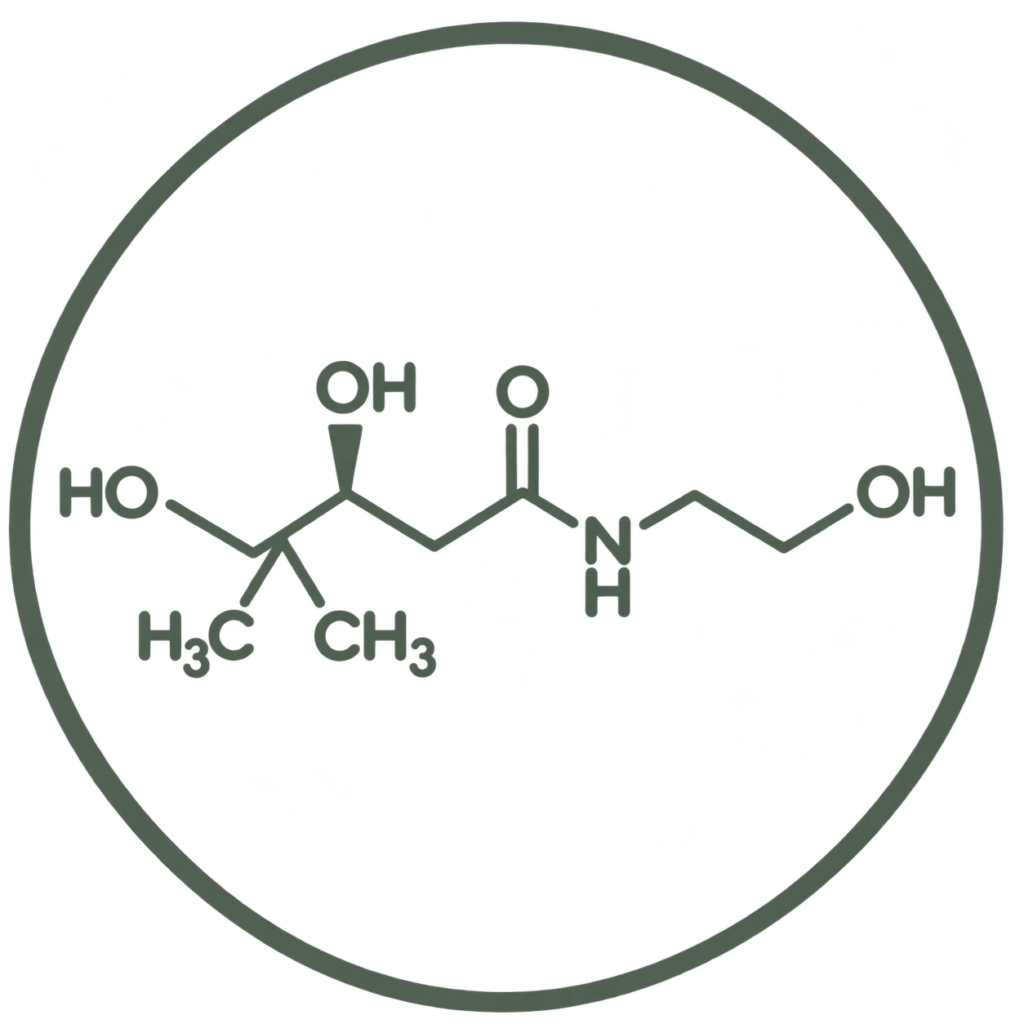
D-Panthenol, also known as dexpanthenol, is the biologically active form of panthenol.
After being absorbed into the skin, D-panthenol can be converted into pantothenic acid (vitamin B5).
Vitamin B5 is an essential component of coenzyme A, a molecule involved in numerous cellular processes, including fatty acid metabolism and the synthesis of compounds important for normal skin function.
Human studies involving D-panthenol have demonstrated improvements in skin hydration and reductions in transepidermal water loss, the process through which moisture naturally evaporates from the skin.
How They Work Together
Panthenol’s skin-conditioning properties come from its ability to retain water, complemented by the biological activity of its D-panthenol component.
Its hydroxyl groups attract and bind moisture, helping improve hydration within the outermost skin layer and contributing to a softer, more flexible skin surface.
Meanwhile, D-panthenol can be converted into vitamin B5, which participates in cellular processes important for normal skin function. Clinical research has also demonstrated that certain panthenol-containing formulations can help improve barrier function and reduce moisture loss.
Unlike botanical oils and butters, panthenol does not primarily work by creating a protective lipid layer over the skin. Instead, it complements other moisturizing ingredients through its water-binding properties.
In a moisturizing cream, panthenol works alongside humectants such as glycerin, which help retain water, while botanical oils and butters provide additional skin conditioning and help reduce moisture evaporation. Together, these complementary functions allow a formulation to provide balanced hydration, skin conditioning, and moisture retention.
OUR FORMULATION PHILOSOPHY
Why Ecolibra Uses It
We chose panthenol for its well-established moisture-binding properties, skin-conditioning benefits, and scientific research supporting its role in maintaining hydration and skin barrier function.
We specifically use DL-Panthenol, a purified, water-soluble form of provitamin B5. Although vitamin B5 occurs naturally throughout the plant and animal kingdoms, manufacturing allows panthenol to be produced with consistent purity and quality for cosmetic formulations.
In our Face Cream and Hand Lotion, panthenol contributes moisture-binding properties alongside botanical butters and oils, helping keep skin feeling hydrated, soft, and comfortable.
In our Face Cleanser and Body Cleanser, panthenol complements cleansing agents and other conditioning ingredients, contributing to well-balanced formulas designed to cleanse the skin while helping maintain moisture retention and leaving it feeling soft, hydrated, and comfortable after washing.
Our approach is to combine ingredients with complementary properties, creating balanced formulations that help hydrate, nourish, and support the skin’s natural moisture barrier.
Good to Know
Although panthenol is commonly called provitamin B5, it is not identical to vitamin B5. The D-form of panthenol can be converted into pantothenic acid, the naturally occurring vitamin involved in normal cellular metabolism.
Panthenol is available in different forms. Pure D-panthenol is commonly supplied as a thick, colorless liquid, while DL-Panthenol is typically available as a white crystalline powder. Both offer moisturizing properties, although their vitamin-related biological activity differs.
Unlike most plant-based ingredients in Ecolibra’s formulations, our panthenol is manufactured rather than directly extracted from plants. Synthetic does not automatically mean harmful or inferior; an ingredient’s suitability depends on its chemical properties, purity, concentration, and how it is formulated.
Panthenol is highly water-soluble, making it particularly useful in creams, lotions, and cleansers. It can complement water-based moisturizing ingredients without contributing an oily or greasy feel.
Panthenol is generally well tolerated, although individual sensitivities are possible. Those with particularly reactive skin should introduce new products gradually.
EXPLORE ECOLIBRA
Found in our Products
Discover how panthenol works alongside other purposeful ingredients in our formulations.
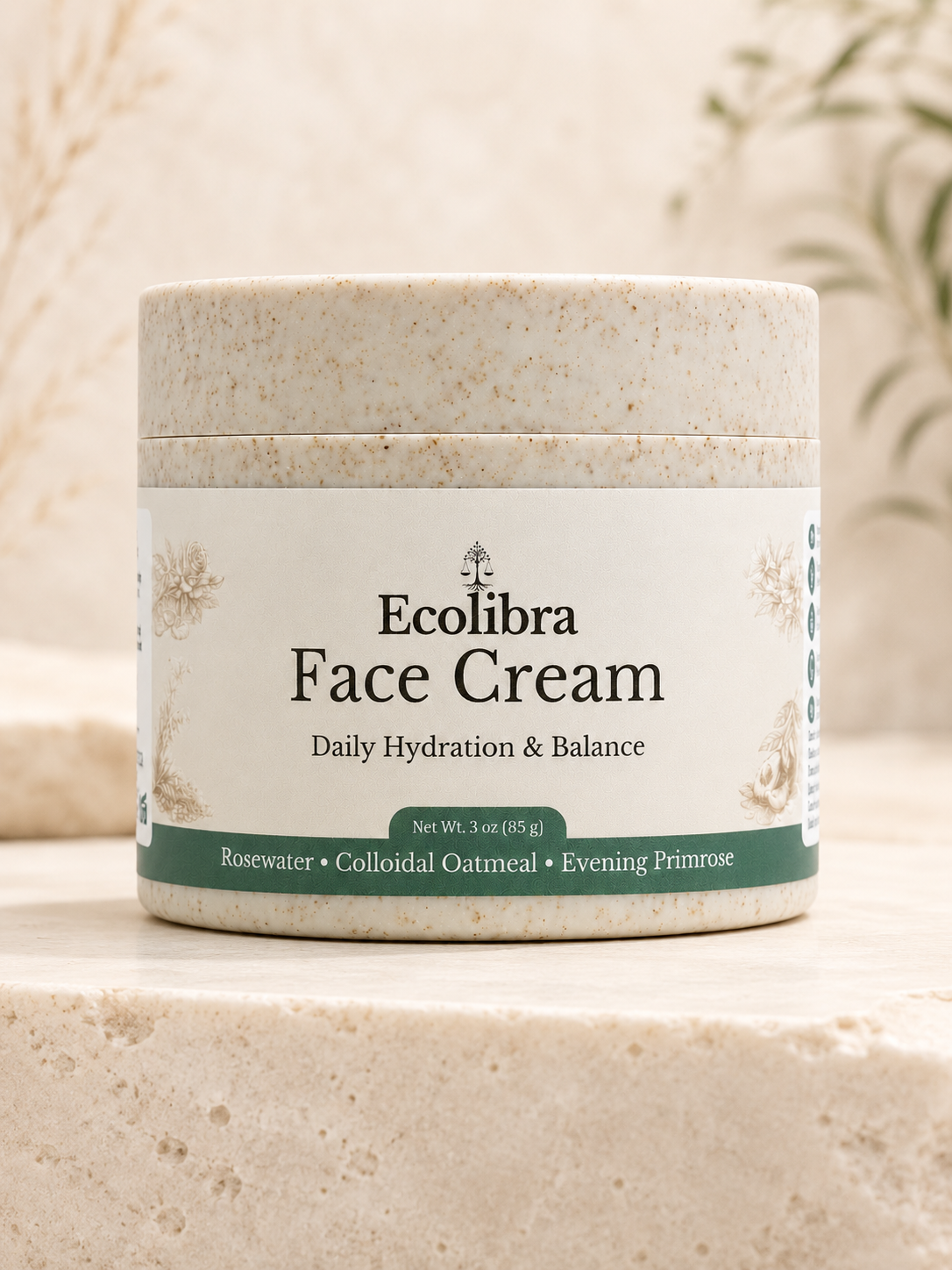
Face Cream
Lightweight daily moisturizing care designed to hydrate, soften, and condition facial skin.

Face Cleanser
Gentle daily facial cleansing designed to remove impurities while leaving skin soft and conditioned.

Body Cleanser
Gentle daily body cleansing designed to remove impurities while leaving skin soft and conditioned.

Hand Lotion
Lightweight daily moisturizing care designed to hydrate, soften, and condition hands.
Newsletter Updates
Subscribe for 10% off your first order and special offers.