Ecolibra = Natural Equilibrium

INGREDIENT PROFILE
Rosewater
Rosa Damascena (Rose) Flower Water
Category: Hydrators & Soothers
Functions: Skin Conditioner · Solvent
Used In Products: Face Cream, Face Cleanser
A naturally derived floral water that helps refresh and condition the skin while providing a lightweight, water-based foundation for balanced, hydrating skincare formulations.
ORIGIN
Damask Rose
SOURCE
Rose Flower Petals
TEXTURE
Clear, Lightweight & Water-Like
What Is Rosewater?
Rosewater is a botanical water traditionally produced through the distillation of rose petals, particularly those of the Damask rose (Rosa damascena), a fragrant flowering plant cultivated in regions throughout Europe, the Middle East, and Asia.
During distillation, rose petals are exposed to steam or heated water, releasing naturally occurring aromatic compounds. As the vapor cools and condenses, it produces a fragrant water known as rosewater or rose hydrosol.
Unlike rose essential oil, which contains a concentrated mixture of oil-soluble aromatic compounds, rosewater consists primarily of water with much smaller amounts of dissolved rose-derived components.
Known for its delicate floral aroma and lightweight consistency, rosewater is valued in skincare for its skin-conditioning properties and ability to serve as a botanical water base in creams, cleansers, and other water-based formulations.
SKIN BENEFITS
Benefits For Skin
Refreshes & Conditions

Rosewater provides a light, refreshing feel while helping maintain the skin’s conditioned appearance. Its water-based consistency makes it particularly suitable for formulations designed to feel comfortable and lightweight on the skin.
Complements Skin Hydration

Rosewater contributes water to moisturizing formulations, working alongside humectants such as glycerin and panthenol that help attract and retain moisture.
Although rosewater itself does not provide lasting moisture retention, it serves as a useful foundation for ingredients that help keep skin feeling hydrated, soft, and comfortable.
UNDERSTANDING THE INGREDIENT
The Science Behind It
Unlike botanical oils and butters, which contain fatty acids and other lipids, rosewater is composed primarily of water and small amounts of naturally occurring aromatic compounds.
Water
Hydration & Solvent Properties
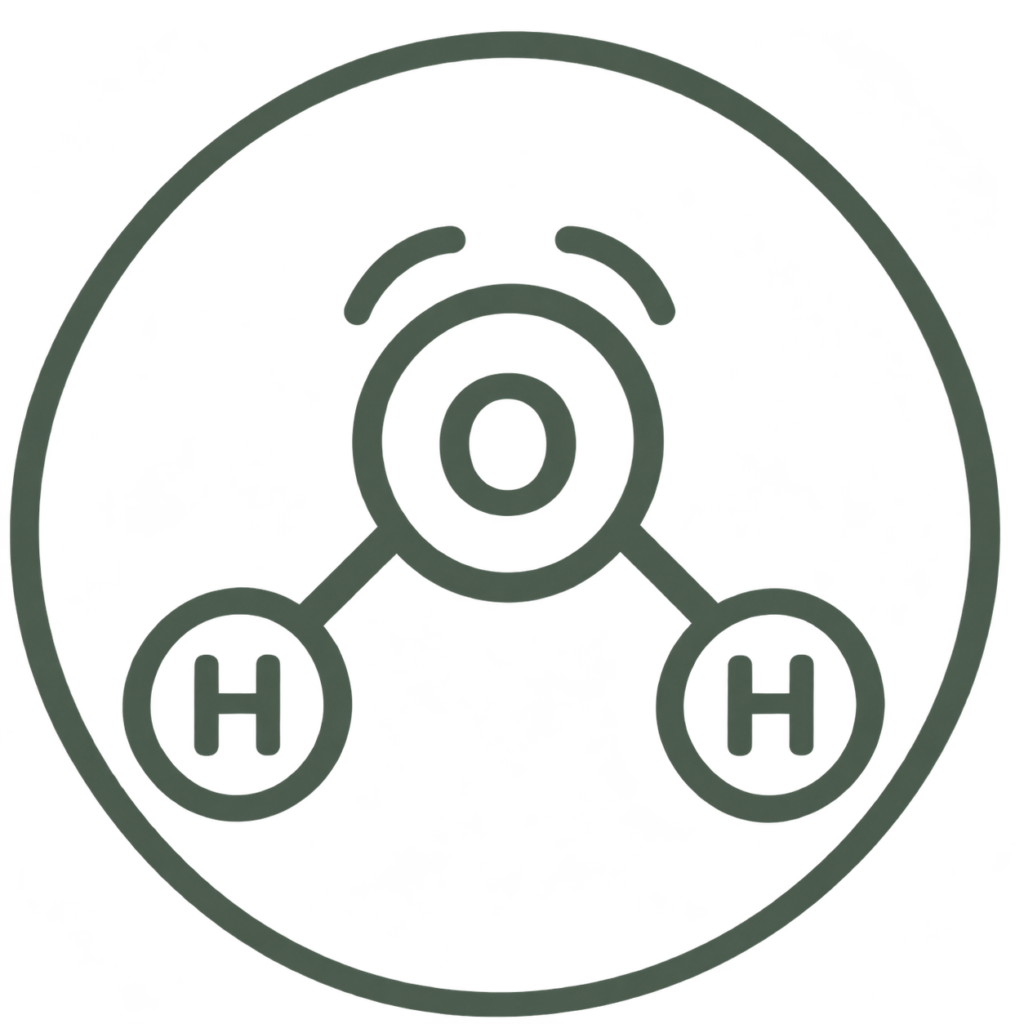
Water is an essential component of many skincare formulations, providing the liquid phase needed to dissolve and distribute water-soluble ingredients.
In a moisturizing cream, this water phase allows ingredients such as glycerin and panthenol to be incorporated throughout the formula.
When applied to the skin, water can temporarily increase surface hydration. However, water alone evaporates relatively easily, which is why effective moisturizers often combine it with humectants, emollients, and occlusive ingredients.
Botanical Compounds
Potential Skin-Soothing Properties
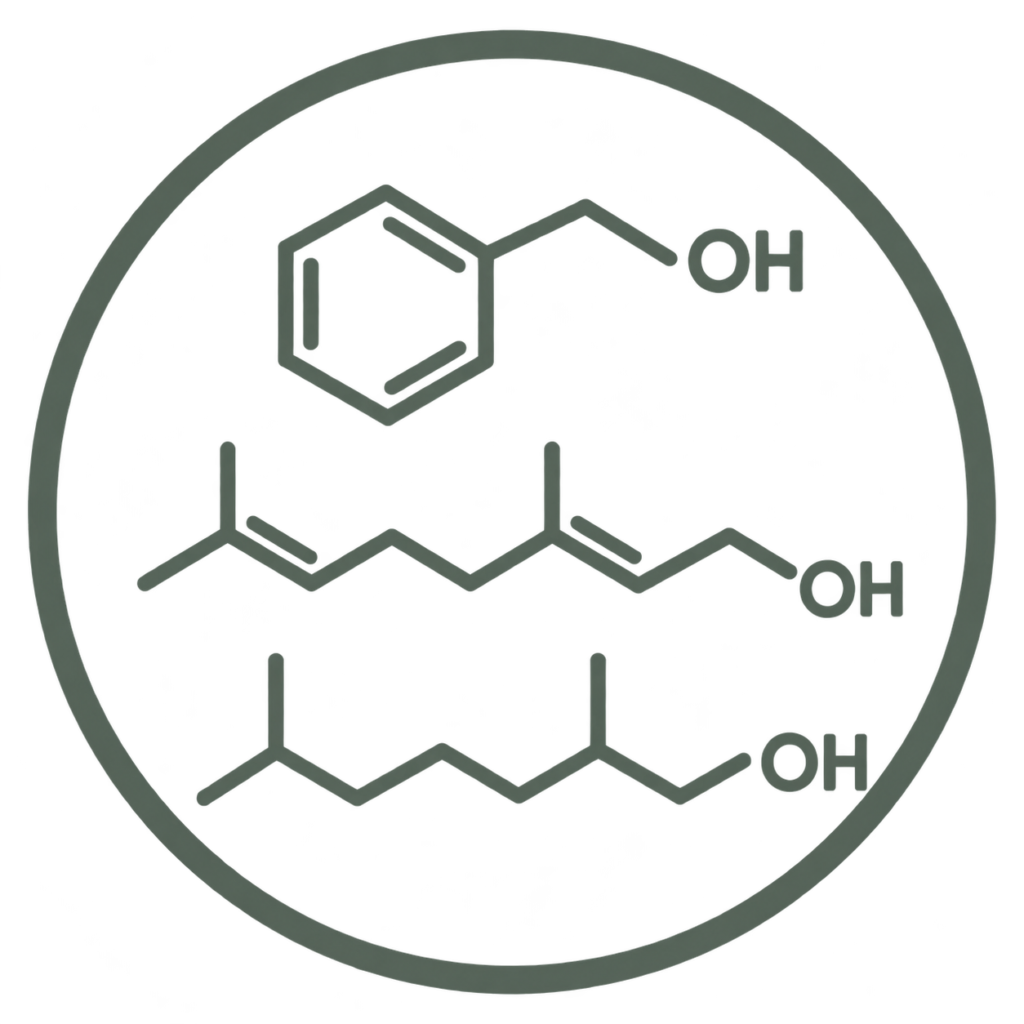
Beyond its water-based composition, rosewater contains small amounts of naturally occurring botanical compounds that may offer additional skin benefits.
Laboratory research has found that Damask rosewater can influence certain inflammatory responses, suggesting potential skin-soothing properties.
However, further human studies are needed to determine how effectively these compounds benefit the skin when applied in cosmetic formulations.
How They Work Together
Rosewater’s primary contribution to skincare comes from its water-based composition, complemented by small amounts of naturally occurring botanical compounds.
Beyond providing a refreshing, skin-conditioning foundation, these rose-derived compounds may offer additional benefits. Laboratory research suggests that Damask rosewater can influence certain inflammatory responses, indicating potential skin-soothing properties. However, further human studies are needed to establish how effectively these benefits translate to skincare applications.
Unlike botanical oils and butters, rosewater does not form a protective lipid layer over the skin. It also differs from humectants such as glycerin, which actively bind water and help maintain hydration. Instead, rosewater serves as a botanical water-based foundation that helps dissolve and distribute other water-soluble ingredients throughout a formulation.
In a moisturizing cream, rosewater works alongside humectants that attract and retain water, while botanical oils help soften the skin and reduce moisture loss. Together, these complementary functions allow a formulation to provide hydration, skin conditioning, and moisture retention, while incorporating the potential benefits of rosewater’s naturally occurring botanical compounds.
OUR FORMULATION PHILOSOPHY
Why Ecolibra Uses It
We chose rosewater for its lightweight, skin-conditioning properties and ability to serve as a botanical foundation in our water-based skincare formulations.
Rather than relying exclusively on plain water, rosewater allows us to incorporate a traditional botanical ingredient with a naturally delicate floral character while providing the aqueous phase needed for effective moisturizing ingredients.
We prioritize organically sourced rosewater whenever it is available, reflecting our commitment to thoughtfully selected ingredients and transparency about their origins.
In our Face Cream, rosewater serves as a foundational ingredient, working alongside glycerin, aloe vera, panthenol, and carefully selected botanical oils. Together, these ingredients provide complementary hydration and skin conditioning, helping create a balanced formula designed to leave facial skin feeling soft, smooth, and comfortably moisturized.
In our Face Cleanser, rosewater serves as part of the water-based foundation, helping distribute cleansing and conditioning ingredients throughout the formula while balancing the natural scent of the cleansing agent.
Our approach is to combine ingredients with complementary properties, creating balanced formulations that help hydrate, nourish, and support the skin’s natural moisture barrier.
Good to Know
Rosewater and rose essential oil are not the same ingredient. Rose essential oil contains concentrated aromatic compounds, while traditional rosewater is primarily water with much smaller amounts of dissolved botanical constituents.
Rosewater is also sometimes promoted for its anti-inflammatory and antimicrobial properties. While certain laboratory studies have investigated these effects, there is limited clinical evidence establishing that ordinary cosmetic rosewater alone provides meaningful treatment benefits for irritated or compromised skin.
Another important consideration is that rosewater is a water-based ingredient and, like other botanical waters, can be susceptible to microbial contamination. Proper preservation and hygienic manufacturing are essential when incorporating it into finished skincare products.
As with any skincare ingredient, individual skin tolerance varies. Those with particularly reactive skin should introduce new products gradually.
EXPLORE ECOLIBRA
Found in our Products
Discover how rosewater works alongside other purposeful ingredients in our formulations.
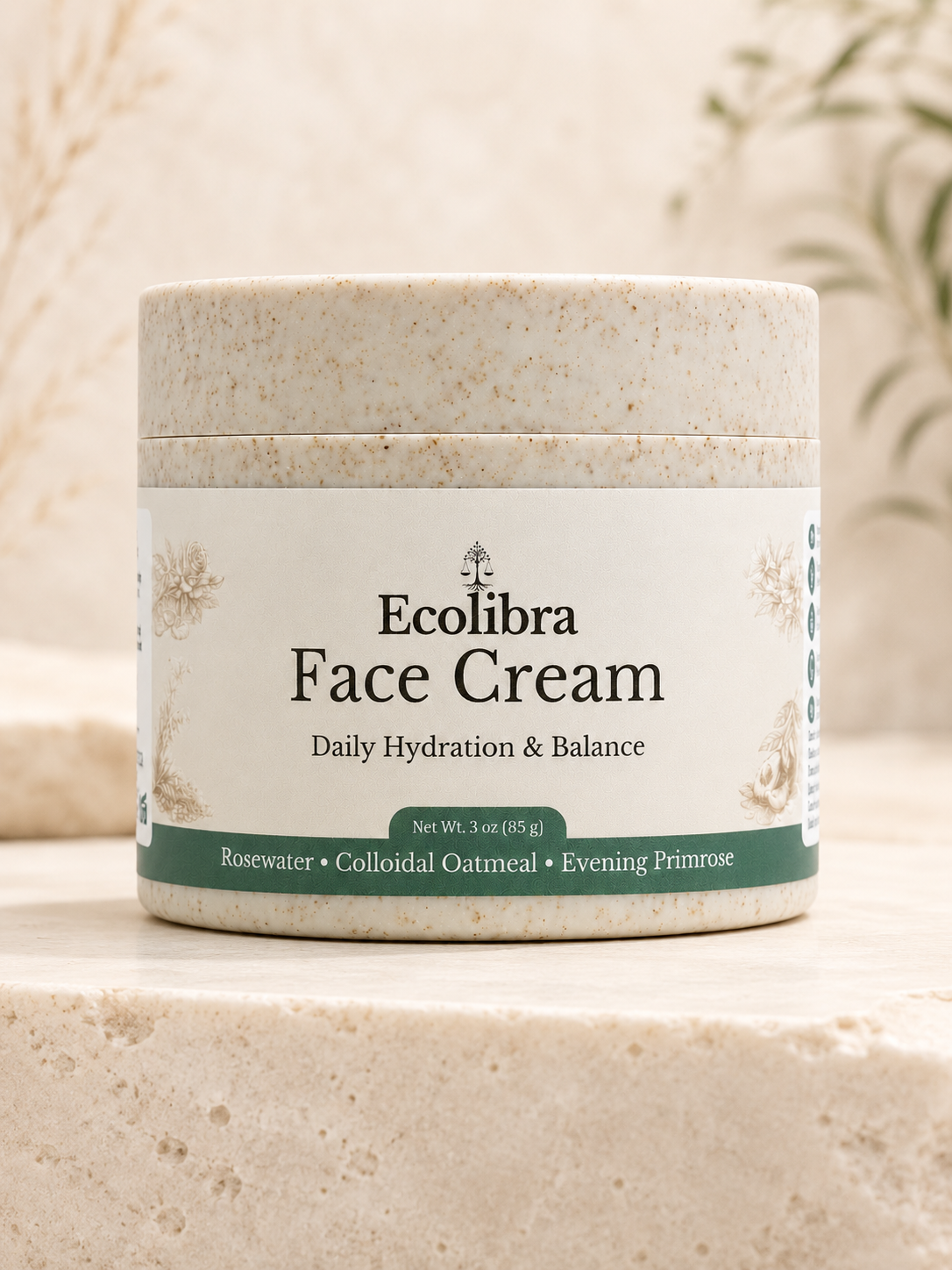
Face Cream
Lightweight daily moisturizing care designed to hydrate, soften, and condition facial skin.

Face Cleanser
Gentle daily facial cleansing designed to remove impurities while leaving skin soft and conditioned.
Newsletter Updates
Subscribe for 10% off your first order and special offers.